
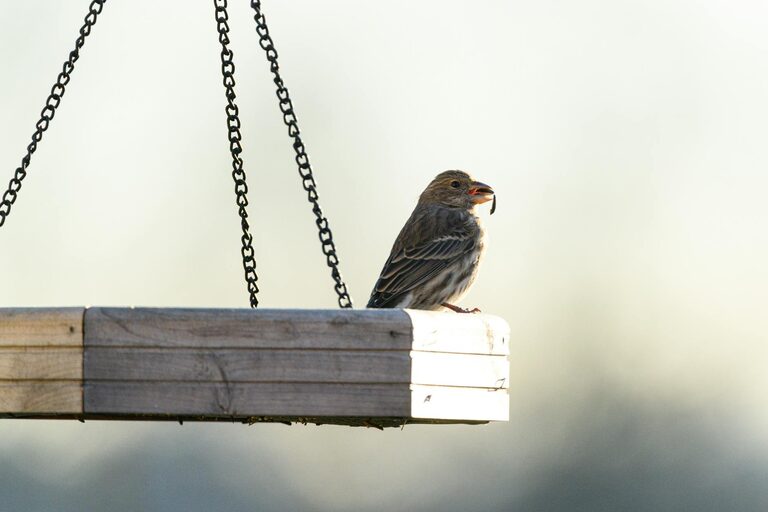
Birdwatching is a wonderful hobby that brings you closer to nature, offering relaxation and an opportunity to learn about the diverse bird species that visit your backyard. If you’re new to this pastime, starting can feel a bit overwhelming. But with a few simple tips, you can create an enjoyable and rewarding birdwatching experience right at home.
Why Backyard Birdwatching?
Birdwatching doesn’t require expensive equipment or long trips. Your backyard or nearby park can be a haven for many bird species. Observing birds helps increase appreciation for wildlife and contributes to mindfulness and stress relief. Plus, it’s a fantastic activity for people of all ages.
Getting Started: What You Need
1. Be Patient and Observant
The key to birdwatching is patience. Birds can be shy or quick to move, so allow yourself time to watch and learn their behaviors. Fresh eyes and calm presence pay off in spotting different species.
2. Invest in Basic Equipment
While you can start with just your eyes, a few basic tools can enhance your experience:
– Binoculars: A lightweight pair with 7x or 8x magnification is ideal for beginners.
– Field Guide or App: A bird identification book or smartphone app helps you learn names, sounds, and habits.
– Notebook or Journal: Recording what you see helps track bird species and your favorite observation spots.
3. Choose a Comfortable Spot
Settle into a quiet place in your yard or near a window where birds visit frequently. A bird feeder or birdbath can attract feathered friends, making watching convenient and constant.
Attracting Birds to Your Backyard
Creating a bird-friendly environment encourages more species to visit frequently.
1. Provide Food
Different birds prefer different foods:
– Seeds: Black oil sunflower seeds attract many species.
– Suet: Great in winter for insect-eating birds.
– Nectar: Hummingbirds love nectar feeders.
– Fruit: Offer sliced apples, oranges, or berries to attract orioles and tanagers.
2. Provide Water
Birds need water for drinking and bathing. A birdbath or shallow dish with fresh water can make your yard more inviting. Keep it clean and refill often to prevent algae and mosquitoes.
3. Add Shelter
Native plants, shrubs, and trees offer shelter and nesting areas. Even small patches of dense vegetation or brush piles provide safety from predators and harsh weather.
4. Maintain a Safe Environment
Avoid pesticides and herbicides to ensure the food chain remains healthy and birds are not harmed. Minimize risks from pets by supervising outdoor cats or keeping them indoors.
Learning to Identify Birds
1. Start With Common Species
Look for birds you see most often—sparrows, robins, cardinals, blue jays. Learn some key features like size, color patterns, songs, and behaviors.
2. Use Multiple Sources
Bird guides and apps often include photos, songs, and maps that show where birds live and migrate. Listening to bird calls enhances your ability to spot elusive species.
3. Practice Regularly
Consistency improves your skills. Try to observe birds daily. Note what time of day and conditions certain species appear.
Tips for Better Birdwatching
1. Keep Movement Slow and Quiet
Birds are easily startled. Move gently and wear muted colors to blend into the surroundings.
2. Use a Blind or Hide
If possible, set up a bird blind or sit behind shrubs to stay concealed.
3. Feed Birds at Optimal Times
Birds are most active early in the morning and late afternoon. Refill feeders at these times to maximize visits.
4. Take Photos or Draw
Documenting your sightings helps solidify identification and makes the hobby more creative and enjoyable.
Enjoying Backyard Birdwatching With Others
Share the experience with family and friends. Teach kids about birds—they often love learning about wildlife and can develop a lifelong appreciation for nature. Joining local birdwatching groups or online communities provides support, tips, and identification help.
Final Thoughts
Backyard birdwatching is a welcoming and accessible hobby for beginners. By offering food, water, and shelter, and arming yourself with patience and basic tools, you’ll soon discover the many beautiful bird species that visit your neighborhood. Embrace the quiet moments and enjoy the simple pleasure of watching birds flutter by in your own backyard. Happy birdwatching!